Coastal Car Care Dubai | Specialist Protection for UAE’s Salt & Sun


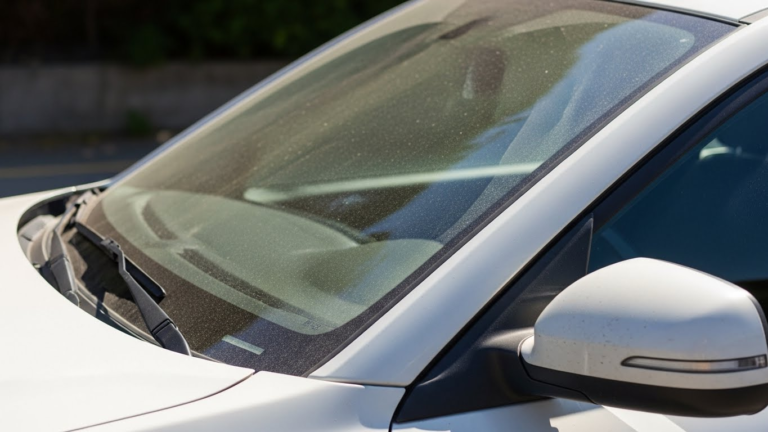
You park near Jumeirah Beach on a Friday afternoon, enjoy a few hours by the water, and return to find a thin layer of salt residue on your car’s surface. You wipe it off and think nothing of it.
But that salt doesn’t just sit on your paint. It settles into door hinges, creeps under trim pieces, and works its way into every gap and crevice your car has.
Combined with Dubai’s intense heat and humidity near the coast, this creates a corrosive environment that ages your vehicle faster than you’d expect.
Coastal driving in Dubai presents unique challenges that most car owners underestimate until problems appear.
The Salt Air Problem
The Arabian Gulf produces constant salt-laden air that affects every vehicle within 5-10 kilometers of the coastline.
This includes major areas like Dubai Marina, JBR, Palm Jumeirah, and the entire stretch from Jumeirah to Umm Suqeim.
Salt accelerates metal corrosion at roughly three times the normal rate.
In Dubai’s coastal zones, the combination of salt exposure and temperatures reaching 45°C creates what engineers call an “aggressive corrosive environment.”
Your car faces this assault daily, whether you drive to the beach or simply live near the coast.
How Salt Corrosion Actually Works
The corrosion process starts invisibly. Salt particles land on metal surfaces and absorb moisture from humid air. This creates an electrolyte solution that kickstarts oxidation. The heat accelerates every chemical reaction involved.
Within months, not years, you can see surface rust on exposed metal components.
Battery Failure Happens Faster
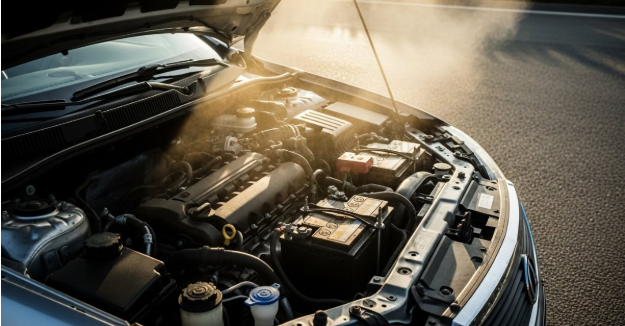
Car batteries suffer significantly in coastal Dubai areas. The combination of salt air, heat, and humidity creates perfect conditions for battery terminal corrosion and accelerated chemical degradation inside the battery itself.
Salt creeps onto battery terminals and creates a white or blue-green crusty buildup. This corrosion increases electrical resistance, which means your alternator works harder to charge the battery and your starter struggles to draw sufficient power.
Heat degrades the battery’s internal chemistry. In coastal areas where humidity stays high, batteries can fail 30-40% faster than in drier inland zones.
Warning Signs Your Battery Is Corroding
Most Dubai drivers replace batteries every 2-3 years. In coastal areas without proper maintenance, that drops to 18-24 months.
If you notice slower cranking when starting your car or see any crusty buildup on battery terminals, you need immediate attention.
A quality battery shop in Dubai can test your battery’s health and clean corrosion before it causes a no-start situation in a beach parking lot.
Regular terminal cleaning every three months extends battery life significantly in coastal environments.
Paint Damage You Don’t Notice Until It’s Too Late
The clear coat on your car’s paint serves as its primary defense against environmental damage.
Salt particles compromise this protection through a gradual process that most owners don’t recognize until it’s advanced.
Salt residue sits on paint and absorbs moisture. As temperatures fluctuate between day and night, this moisture expands and contracts, creating microscopic stress points in the clear coat. Over time, these develop into visible clouding, hazing, or the dreaded clear coat peel.
Dark-colored cars show this damage more obviously than lighter ones. Black and dark blue vehicles driven regularly near the coast often develop a chalky appearance within 2-3 years without proper protection.
The problem intensifies on horizontal surfaces: your hood, roof, and trunk lid receive the heaviest salt deposit accumulation.
Four Steps to Protect Your Paint
- Wash weekly if you drive regularly in coastal areas. This isn’t about aesthetics, it’s about removing salt before it causes chemical damage. Use a proper car wash with undercarriage spray to remove salt from underneath your vehicle.
- Never wash your car in direct sunlight near the coast. The rapid drying traps salt residue on the surface instead of rinsing it away completely.
- Apply paint sealant or ceramic coating every 6-12 months. These create a barrier that prevents salt from directly contacting your clear coat. While they cost AED 500-2000 depending on quality, they prevent paint damage that costs thousands to repair.
- Focus on the undercarriage. Salt accumulates heavily underneath where you can’t see it, attacking the frame, suspension components, and exhaust system.

Hidden Rust That Costs Thousands
The most expensive coastal corrosion damage happens in hidden areas. Door hinges, frame rails, suspension mounting points, and the underbody structure all corrode from the inside out.
Water and salt enter through door drains, trunk seals, and body panel gaps. These areas stay damp longer due to coastal humidity, especially overnight when temperatures drop and condensation forms.
By the time you see rust bubbling through exterior paint, the corrosion underneath is typically advanced. Repair costs start around AED 3,000 for minor rust and can exceed AED 15,000 for structural frame damage.
Where to Check for Early Rust
Check these areas monthly to catch corrosion before it becomes expensive:
- Door hinges: Look for roughness when opening and closing. Corrosion here appears early because these components experience constant movement that wears away protective coatings.
- Under the car: Focus on the exhaust system, suspension arms, and anywhere you see exposed metal. Surface rust appears as brown or orange discoloration.
- Hood hinge attachment points: Salt water runs into this area during washing and stays trapped. This is where rust often starts.
- Weather stripping: Salt degrades rubber seals around doors and trunk, creating gaps that let more moisture enter. Replace cracked or hardened seals immediately; they cost AED 200-500 but prevent water intrusion that causes thousands in damage.
AC Systems Under Constant Attack
The AC condenser sits at the front of your car, directly behind the grille. Every drive near the coast exposes it to salt spray and airborne particles.
Salt corrosion creates pinhole leaks in condenser tubes. When refrigerant escapes, your AC performance drops gradually until it fails completely. Replacing a condenser costs AED 1,500-3,500, depending on your car model.
Coastal humidity also means your AC runs continuously, working harder than it would in drier inland areas. This increases wear on the compressor, the system’s most expensive component, at AED 2,500-6,000 to replace.
Two Simple AC Maintenance Steps
- Flush your AC condenser with fresh water every two months if you drive regularly near the beach. Many car washes offer this service for AED 50-100, or you can do it yourself with a garden hose on low pressure.
- Have your AC refrigerant level checked annually. Small leaks caused by salt corrosion often go unnoticed until the system fails completely in peak summer.
Brake Safety Concerns
Brake rotors, calipers, and metal brake lines all suffer from coastal salt exposure. The combination is particularly dangerous because it affects your car’s primary safety system.
Brake rotors develop surface rust quickly when parked near the coast. While this rust typically wears off during the first few stops, heavy corrosion can cause permanent pitting that reduces braking effectiveness.
Brake calipers corrode where the piston extends to push brake pads against the rotor. Salt buildup here causes sticking, uneven brake wear, and potentially dangerous brake fade.
Metal brake lines are especially vulnerable. These thin tubes carry brake fluid under high pressure. Salt corrosion weakens them gradually until they rupture; a sudden, complete brake failure that’s both dangerous and expensive to repair.
Maintaining Brake Safety
Have a mechanic inspect your brake system every 10,000 km if you drive regularly near the coast. This catches corrosion issues before they become safety hazards.
Listen for any grinding, squealing, or unusual noises when braking. These often indicate corrosion-related damage.
Check for an oily residue around wheels, which suggests leaking brake fluid from corroded lines. This requires immediate professional attention.
Budget AED 800-1,500 for brake service in coastal Dubai areas every 15,000-20,000 km instead of the typical 25,000-30,000 km interval. The extra maintenance costs less than emergency repairs and protects your safety.
Your Coastal Protection Plan
Start with a thorough inspection of your current vehicle condition. If you’ve been driving near the coast for more than a year without specific protective measures, you likely have some degree of salt damage already developing.
Establish a washing routine. Weekly washes with undercarriage cleaning remove salt before it penetrates seals and causes lasting damage. This single habit provides the best protection-to-cost ratio available.
Invest in quality protective coatings. Paint sealant, undercoating, and cavity wax applications cost AED 1,500-3,000 but prevent damage worth ten times that amount over your ownership period.
Your Maintenance Schedule
- Weekly: Washing with undercarriage spray
- Monthly: Visual inspection of battery terminals, door hinges, and underbody
- Every 3 months: Battery terminal cleaning and brake system check
- Every 6 months: Paint sealant application and AC system service
- Annually: Comprehensive inspection by a qualified mechanic
Monitor your battery health closely. Coastal conditions destroy batteries faster than any other component, and battery failure often happens without warning.
Prevention Beats Expensive Repairs
The extra attention coastal driving requires might seem excessive, but it’s significantly cheaper than dealing with the consequences of salt corrosion.
A corroded battery terminal is an AED 50 fix. A seized brake caliper costs AED 1,200. Frame rust repair starts at AED 5,000.
Most importantly, proper coastal vehicle care isn’t complicated. It requires awareness of what salt does to cars and consistent preventive maintenance that takes minutes rather than hours.
Your car faces one of the harshest automotive environments on earth when you drive near Dubai’s coastline. Give it the protection it needs, and it’ll serve you reliably for years despite the challenging conditions.
Conclusion
I provide you the important information to protect your vehicle. I hope you like my guide. Simply follow my instructions Coastal Car Care Dubai. Visit nolcardcheck.ae for more easy guides.